
Renewable Energy Systems for Residences: Power Your Home with Clean Confidence
Today’s chosen theme is Renewable Energy Systems for Residences. Explore practical guidance, real stories, and inspiring ideas for designing and living with home renewables that cut bills, strengthen resilience, and protect the planet. Join the conversation and subscribe for weekly insights.
Foundations of Home Renewables
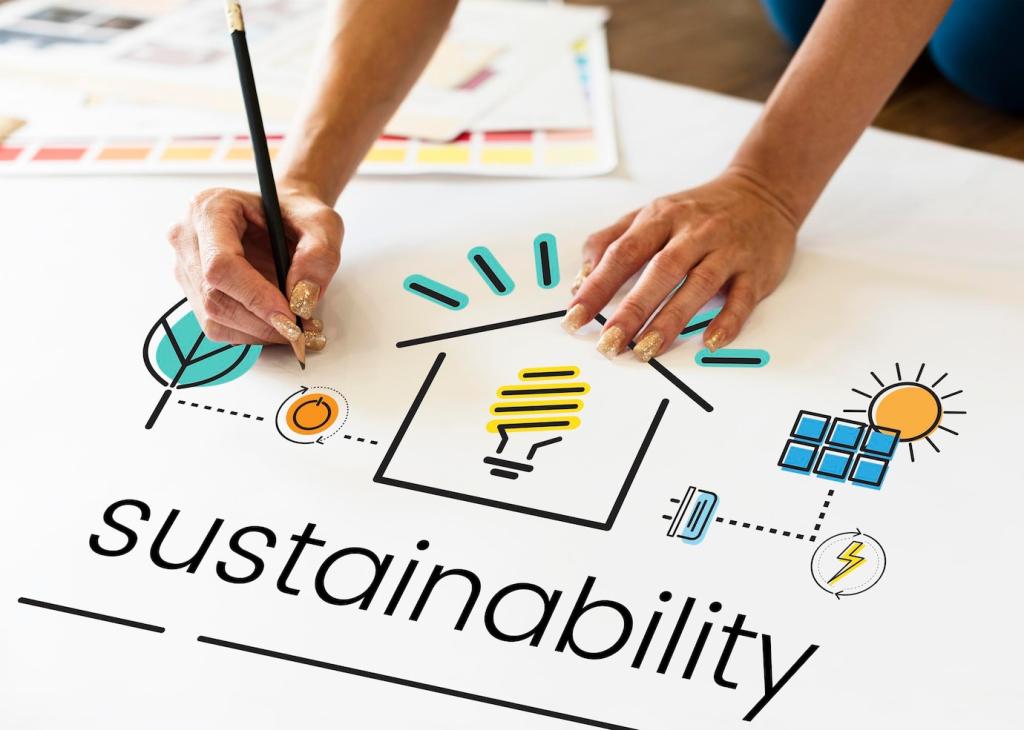
From rooftop solar and backyard wind to micro-hydro and geothermal heat pumps, residential renewable energy systems generate electricity or useful heat at home, reducing grid dependence while improving resilience and long-term sustainability for families and neighborhoods.
Foundations of Home Renewables
Grid-tied systems connect to the utility for crediting surplus power and reduced storage needs, off-grid relies entirely on local generation and batteries, while hybrid setups blend both for flexible reliability through seasonal changes, outages, and evolving household needs.
Foundations of Home Renewables
When Maya started tracking plugs and lights, she spotted waste, then installed a small solar array. Seeing monthly savings, her family upgraded insulation, added a battery, and began sharing production dashboards with neighbors to inspire a block-wide efficiency challenge.
Solar, The Residential Cornerstone
Assessing your roof and site
Evaluate orientation, shading, and roof condition before purchasing panels. A south or west orientation often boosts afternoon production, while trimming trees and confirming structural integrity help maximize output and safety over decades, not just the first sunny season.
Panels, inverters, and wiring demystified
Monocrystalline panels deliver high efficiency in limited space, microinverters improve partial-shade performance, and string inverters simplify maintenance. Properly sized conductors, grounding, and rapid-shutdown devices ensure code compliance, safer operations, and seamless integration with batteries and smart home management systems.
A sunny weekend project that changed a street
One neighbor’s DIY solar study session led to three households scheduling professional site assessments. Within months, panels dotted rooftops, kids graphed kilowatt-hours for science class, and a shared newsletter encouraged others to join, comment, and celebrate combined carbon savings.

Batteries and Smart Control
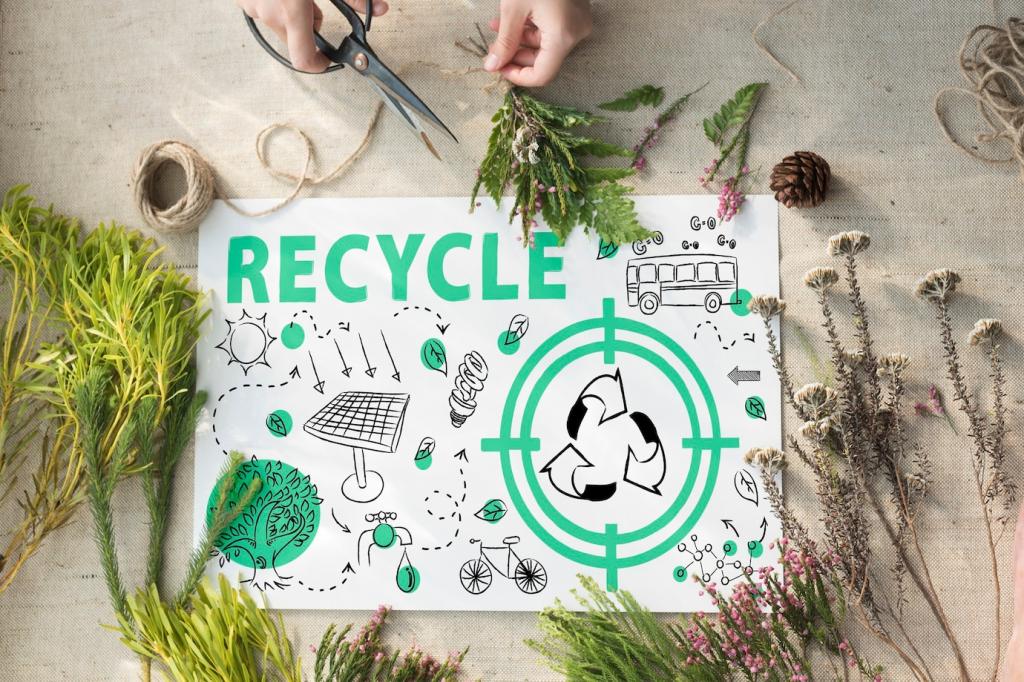
Start with daily consumption, critical loads, and desired outage coverage. Lithium iron phosphate batteries offer long cycle life, while modular designs allow future expansion. Right-sizing balances budget, resilience, and solar production patterns across seasons and unpredictable weather events.
Batteries and Smart Control
Smart meters and energy apps reveal consumption patterns and time-of-use prices, helping you schedule appliances when electricity is cheapest or cleanest. Automations can pre-charge home batteries before peak prices, improving savings and reducing strain on local distribution networks.

Small wind: when it truly works
Small wind can help in open areas with consistent speeds above roughly five to six meters per second at hub height. Taller towers, proper setbacks, and noise checks matter. Always verify zoning, turbulence, and maintenance access before committing funds and expectations.

Micro-hydro: turning a steady trickle into steady watts
If your property includes a year-round stream with enough head and flow, micro-hydro can generate dependable baseline power day and night. Site surveys, fish-safe intake designs, and permitting ensure responsible use that complements solar and reduces required battery capacity.
Money Matters and Incentives
Many regions offer tax credits, rebates, or performance payments that substantially improve project economics. Keep receipts, verify installer certifications, and track deadlines. A simple document folder and calendar reminders can save thousands while preventing missed filings and frustrating delays.
Efficiency and Daily Habits
Air sealing, attic insulation, and heat pump upgrades often deliver immediate comfort and lower loads, shrinking the renewable system you need. Start with an audit, address drafts, and prioritize the attic, then update heating and water heating for balanced, enduring savings.
Efficiency and Daily Habits
A simple dashboard showing real-time solar production and home consumption turns invisible habits into visible wins. Families compete to shift laundry, cooking, and charging to sunny hours, celebrating milestones and posting graphs that inspire others to take measurable, joyful action.


Choosing the right installer and permits
Look for licensed, insured installers with relevant certifications and strong references. Request detailed designs, production estimates, and warranty terms. Confirm permit paths and interconnection steps early to avoid surprises that delay activation of your new residential renewable energy system.
Maintenance routines that matter
Schedule annual visual inspections, clean panels carefully when dusty, and check inverter status lights monthly. Verify battery state-of-health reports, update firmware, and keep vegetation trimmed near equipment. A small routine protects efficiency, safety, and warranties across the system’s lifetime.
Safety, codes, and homeowner readiness
Label critical circuits, store shutdown procedures, and keep manuals accessible. Comply with local electrical codes and manufacturer guidance. A brief household safety drill ensures everyone knows how to respond during storms, outages, or maintenance, preserving both confidence and equipment integrity.
What’s Next in Residential Renewables
Vehicle-to-home and bidirectional thinking
Electric vehicles can serve as rolling batteries, powering essential home loads during outages and soaking up solar surpluses at midday. Smart chargers coordinate timing, while bidirectional standards expand compatibility. Imagine school pickups doubling as resilience planning for the entire neighborhood.
New tech on the horizon
High-efficiency heat pumps, perovskite-silicon tandem panels, and durable solid-state batteries promise greater performance in smaller footprints. Emerging microinverters enhance reliability, while agrivoltaics and building-integrated photovoltaics unlock design possibilities that merge aesthetics with function across roofs, facades, pergolas, and creative residential spaces.
From home to grid: virtual power plants
Networked homes can coordinate batteries, thermostats, and solar to support the grid during peak demand. Residents earn incentives while improving stability for everyone. Tell us if aggregation is available near you, and we’ll explore participation steps and everyday readiness strategies.